Polski
 English
 Deutsch
 Čeština
 Slovenčina
 Español
 Français


Often bought together
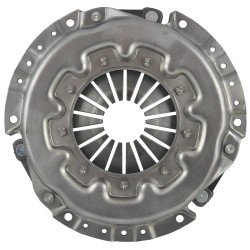
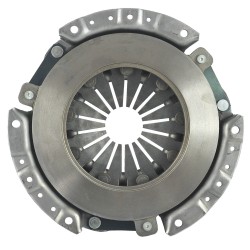
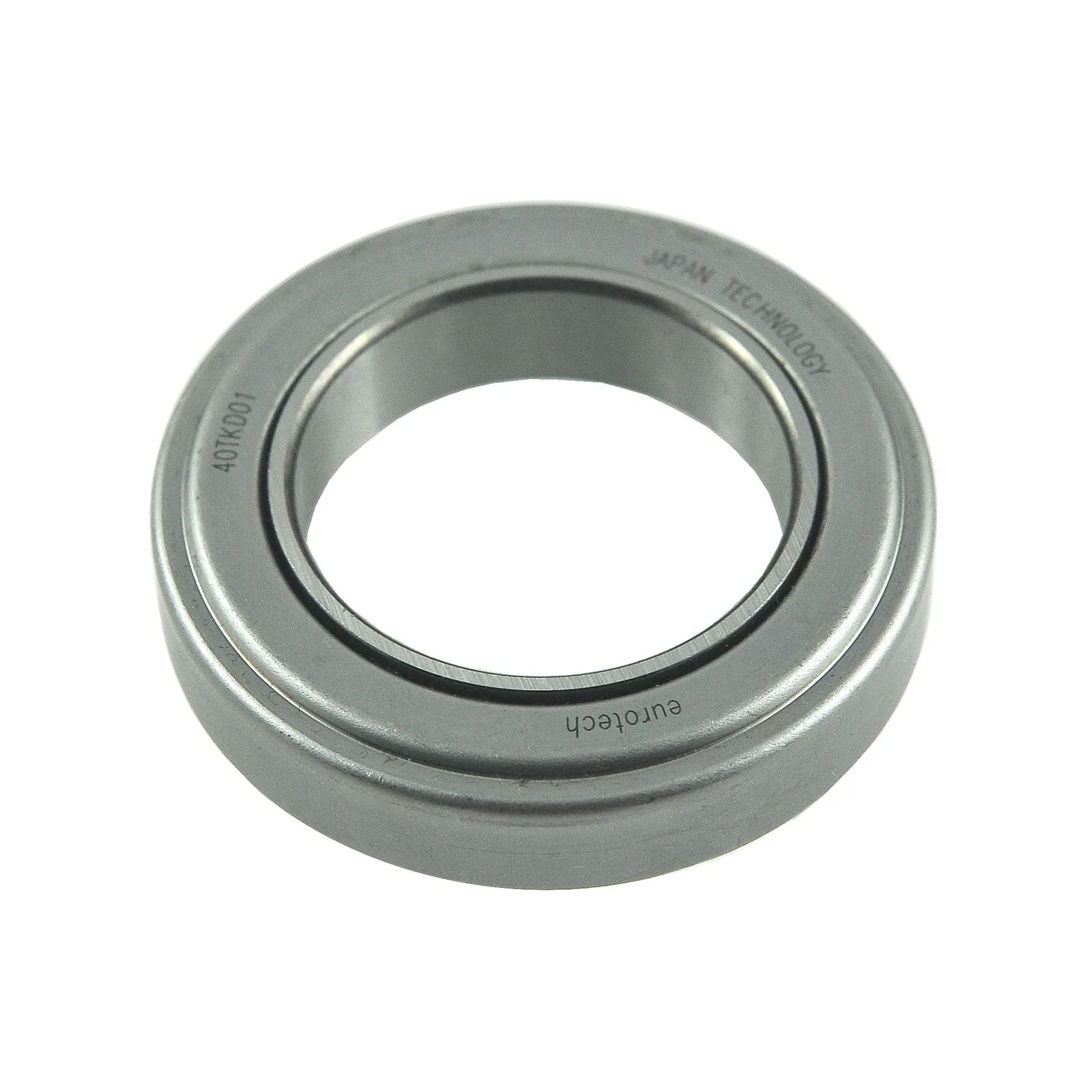
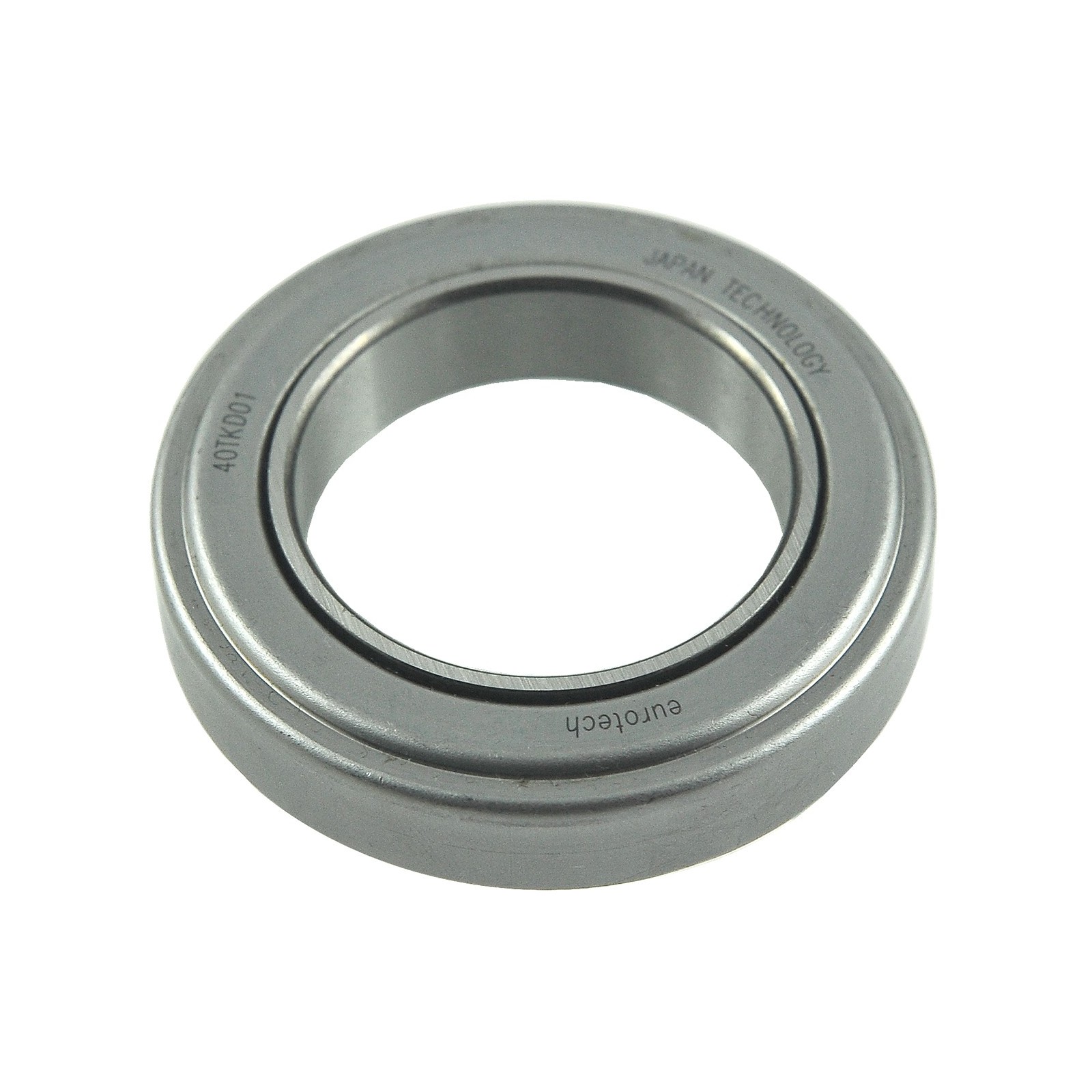
Clutch release bearing (pressure 32005 ) with an inner diameter of 39.90 mm , an outer diameter of 63.75 mm and a height of 16 mm for Kubota tractors of the Kubota series GB16 , Kubota GB18, Kubota B1700, Kubota B2100, Kubota B2400, Kubota B2410, Kubota B2420 and others.
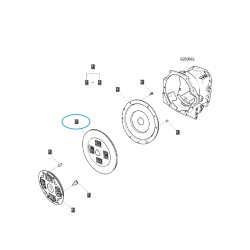
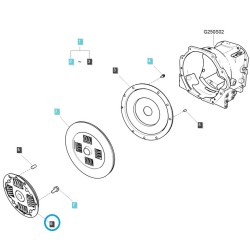
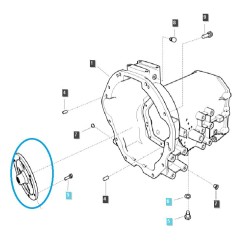
The clutch bearing , also known as a release bearing or thrust bearing , is the only moving component of the clutch system in a tractor engine. It moves along the axis of the drive shaft in a sliding motion. When the clutch pedal is depressed, the thrust bearing presses against the clutch pressure springs, causing the pressure plate to lift. This means the pressure plate moves away from the clutch disc friction surface. This allows us to disengage our drive, transferring power from the engine (crankshaft) to the drive system (gearbox drive shaft), i.e., change gear or stop the tractor.
Dimensions :
Tractor models :
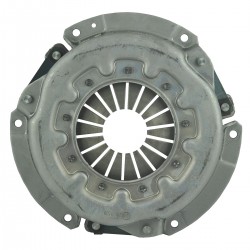
The first signs of bearing wear and the need for replacement include an unusual noise, such as a humming or buzzing sound coming from the clutch area, which usually disappears when the clutch pedal is depressed. In the case of severe damage or wear to the clutch bearing, difficulty engaging gears may occur. It is recommended to replace the bearing whenever one of the clutch pressure plate or disc components is replaced, as replacing each of these components requires splitting the tractor (separating the gearbox from the engine) and is a relatively expensive and time-consuming process.
Magazine : K18:F21:S01
*Photos are for illustrative purposes only and may differ in detail from the delivered product due to differences in production over the years.
check_circle
check_circle

Contact us to get professional advice about this product
Phone: +48 17 858 58 58
Leave your contact details and an advisor will get in touch to help arrange the purchase.
Your enquiry has been sent. An advisor will contact you to discuss the purchase details.
Contact one of our advisors directly.
Sales advisor
+48 505 771 060 Call
Sales advisor
+48 737 301 808 Call
Sales advisor
+48 737 301 809 CallSales advisor
+48 512 866 366 Call
Sales advisor
+48 512 866 966 Call
Sales advisor
+48 789 808 090 Call