Tractor excavator | mounted | for tractors
search
1 osoba ogląda ten produkt

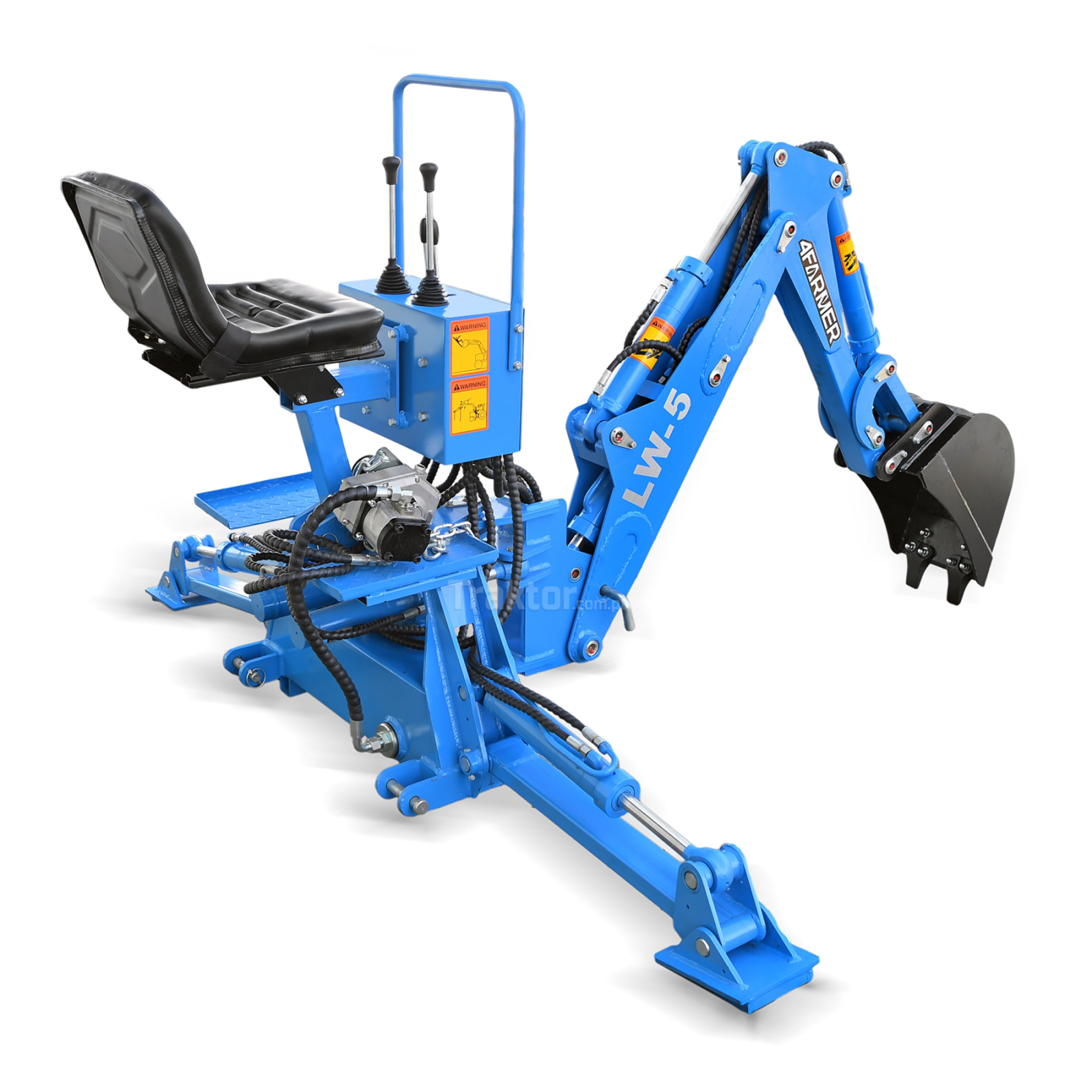
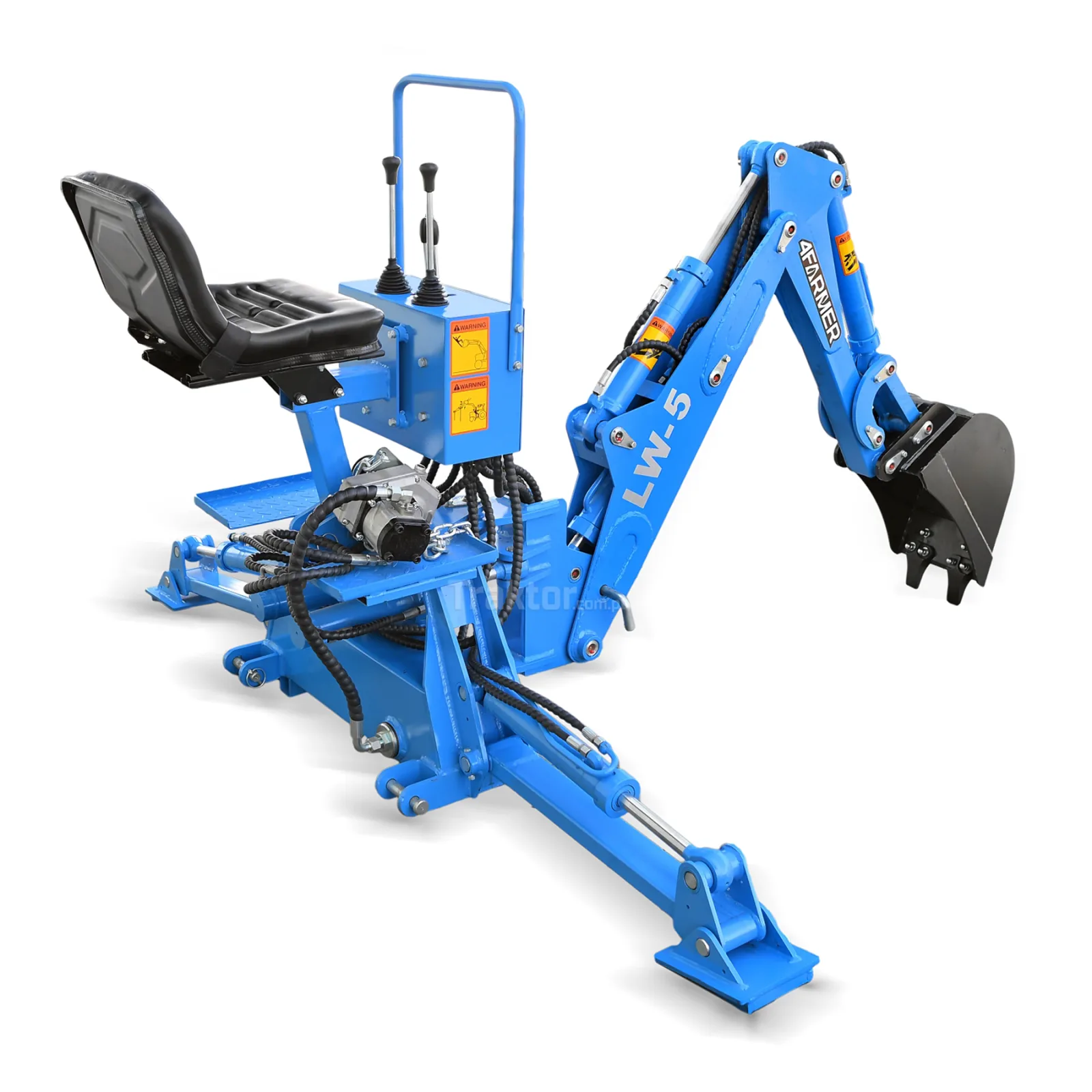
Excavator for the LW-5 4FARMER tractor

Product code: LW-5/4FARMER/blue
Brand 4FARMER
Country of production 4FARMER
Color Blue
Condition: New
Minimum required tractor power (HP HP PS): 15
Weight (kg): 360
zł16,990.00
Includes VAT 23%

Lowest price from 30 days: zł16,990.00

Product description

Excavator for the LW 4FARMER tractor

The LW 4FARMER excavator is a series of mini excavators for tractors and mini tractors, mounted on the tractor's three-point linkage . This versatile single-bucket excavator is used for all types of earthworks, such as digging, land improvement, or ditch cleaning, but can also be used for reloading or as a crane. The LW 4Farmer excavator is designed for small-scale earthworks on home and agricultural farms and is designed for tractors with power ranging from 15 to 180 HP (+/- 5 HP) with a digging depth of 1650 to 3655 mm . The LW 4FARMER excavator is available in several sizes, making it suitable for use in municipal services and construction. Available sizes:

4FAMER LW tractor excavator

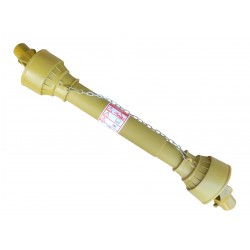
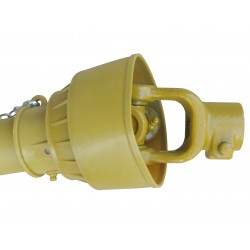
A tractor-mounted excavator consists of its own hydraulic pump, frame, lifting arm, hydraulic cylinders, stabilizer legs, and a bucket, as well as a control panel with an operator's seat. The excavator's hydraulic system is powered by its own hydraulic pump connected to the tractor 's PTO (power take-off) shaft and has its own oil tank . This gives the excavator an independent oil system , meaning the tractor's hydraulic oil does not mix with the excavator's hydraulic oil.

An excavator designed to work with a tractor, the most important features and dimensions of the LW-5 4FARMER excavator

The LW5 excavator is a pin- mounted excavator with a Cat I three-point linkage. The excavator has its own hydraulic pump mounted on the tractor's power take-off shaft, designated CBN-F320 . The dedicated bucket width for the LW5 4FARMER model is 350 mm with a capacity of 0.03 m3.

Technical data :

  • model: LW-5 4FARMER ,
  • weight: 360 kg,
  • maximum cutting depth: 1650 mm,
  • maximum digging height: 2600 mm,
  • maximum digging radius: 2300 mm,
  • maximum discharge height: 1530 mm,
  • stabilizer spacing: 2100 mm,
  • ground clearance: 450 mm,
  • bucket rotation angle: 160°
  • bucket capacity: 0.03 m3,
  • bucket width: 350 mm, 14 inches,
  • transport width: 1130 mm,
  • hydraulic pump: CBN-F320 .

When choosing an excavator, consider the excavator's digging capabilities, as well as its weight, size, and towing axle spacing. The LW 4FARMER excavator can be used with buckets of various sizes and types. The excavator does not require hydraulic connection to the tractor's hydraulic system.

Specifications

Condition
New
Ground clearance (mm)
450
Spacing of stabilizers (mm)
2100
Minimum required tractor power (HP HP PS)
15

Reviews of Excavator..

Traktor.com.pl S.C. Wojciech i Miłosz Początek Reviews with ekomi-pl.com

This product has no reviews yet.

We collect reviews from verified Customers after the purchase of the product.

Write your review

Review form will be here

Questions & Answers

How to choose a plow for the power of my mini tractor?

User
Ekspert Traktor.com.pl – Doradca techniczny • 17.02.2026
Correct selection of a plow for the power and weight of the tractor is key to effective plowing and protection of the drive system against overload. It is assumed that for each plow body (furrow) with a width of approx. 20-25 cm, a mini tractor should have a power of 8 to 12 HP, depending on the soil compactness. For machines with 15-20 HP, the optimal solution is usually a single-furrow plow, while units over 22-25 HP with 4x4 drive can handle a light two-furrow plow. It is also important to set the plowing depth and the pull point, which allows for maintaining a straight path without the need for constant steering correction. Robust agricultural equipment from brands such as Geograss or TRX has been designed to minimize the resistance offered by the soil, which directly translates into lower fuel consumption. Remember that a plow that is too large will cause excessive wheel slip and may lead to premature clutch wear. Before purchasing, always check the three-point linkage (TUZ) lifting capacity of your tractor to ensure the machine safely lifts the tool in the transport position.

What are the types of rototillers and which one will be best for my garden?

User
Ekspert Traktor.com.pl – Doradca techniczny • 17.02.2026
The choice of the right rototiller depends primarily on the type of planned work and the condition of the soil in your garden. A standard mounted rototiller installed on a three-point linkage (TUZ) is ideal for seasonal soil loosening and mixing with fertilizers. If you are establishing a new lawn on difficult, weed-infested terrain, the best choice will be a stone burier (separation rototiller), which, thanks to the reverse rotation of the blades, buries stones and plant residues deep under a layer of clean, sifted soil. For professional orchardists, a side rototiller (inter-row) is dedicated, allowing for precise cultivation right next to tree trunks. Regardless of the model, the heart of the machine is a durable angle gearbox and hardened cutting blades, which must be regularly checked for sharpness and tightness. The correct PTO speed (standard 540 rpm) ensures an optimal granular structure of the soil, which promotes better aeration and water retention. By investing in high-quality cultivation machinery, you can be sure that the preparation of the ground for crops will be fast, thorough, and will not excessively strain your compact tractor.

When is it worth using a flail mower instead of a rotary one?

User
Ekspert Traktor.com.pl – Doradca techniczny • 17.02.2026
The key advantage of a flail mower (so-called mulcher) is its ability to work in extremely difficult conditions where a regular mower could fail. If you need to clear wasteland, tall grass, thickets, and even small branches in an orchard, a rear-mounted flail mower will be unrivaled. Equipped with heavy hammer-type flails, this machine not only cuts vegetation but also shreds it very thoroughly, leaving natural fertilizer on the surface in the form of mulch. This is a much safer solution in stony areas because the housing design holds debris inside the device. On the other hand, a standard rotary mower is better for well-kept lawns where an aesthetic appearance is desired. When choosing a tractor mower, pay attention to the working width – it should be slightly wider than the machine's wheelbase to avoid trampling uncut grass. Models from brands like Stark or Geograss also offer hydraulic shift, which facilitates maneuvering under tree canopies and near fences, making the Japanese mini tractor an even more versatile tool.

Advisor

Schedule a call with an advisor

Contact us to get professional advice about this product